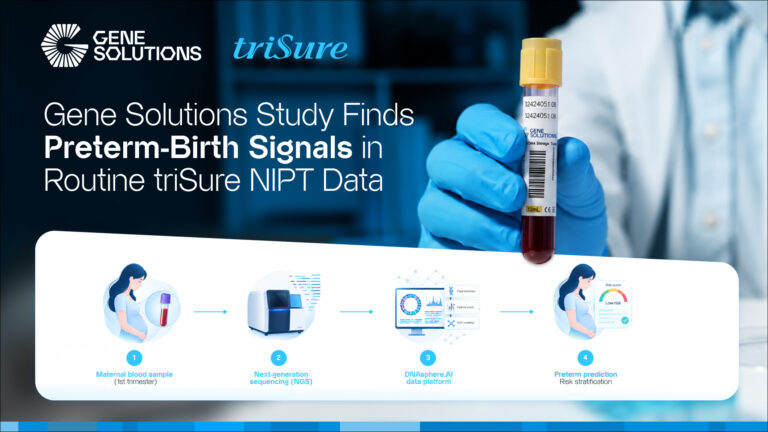
At the 1st Symposium on Genomics and Precision Oncology in Brazil (April 10–11), over 300 oncologists gathered to advance the future of cancer care and the Gene Solutions Brazil team was proud to contribute.
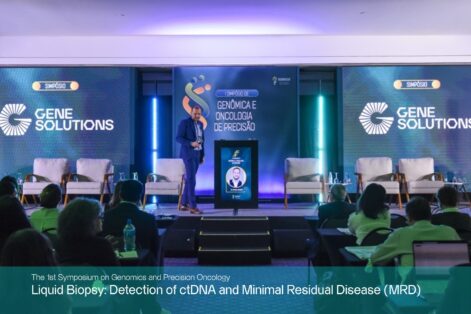
A major standout was the insightful session on “Liquid Biopsy: Detection of ctDNA and Minimal Residual Disease (MRD)” led by Dr. Raphael Brandão, Chief of Oncology at São Camilo Hospital.
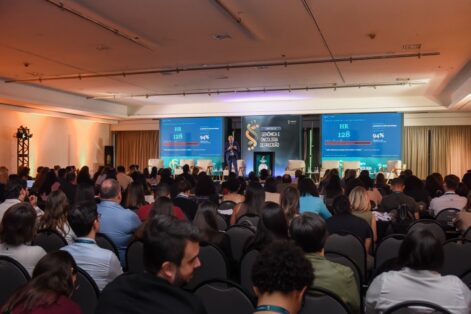
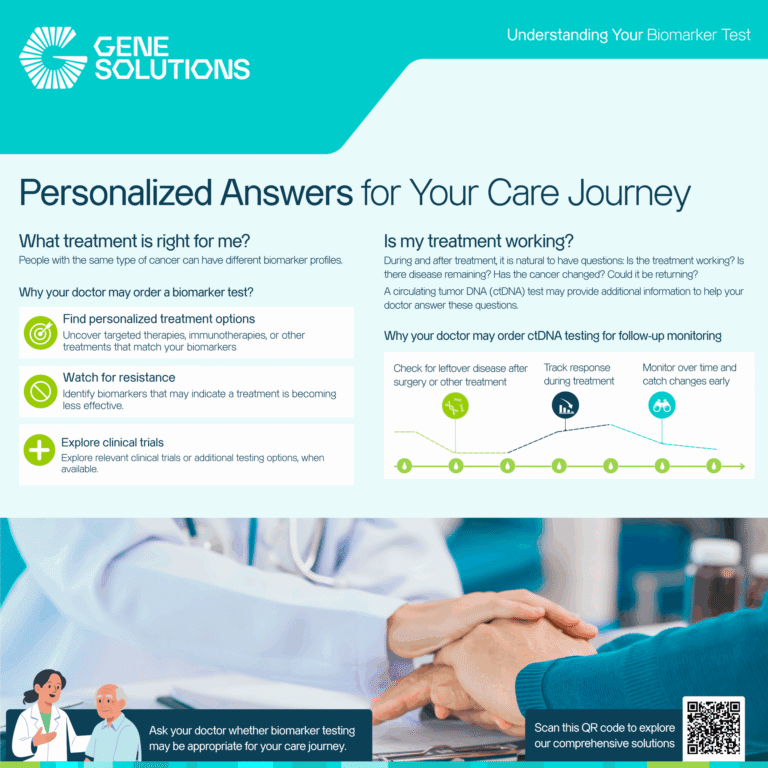
Dr. Brandão explored how liquid biopsy is shifting from concept to standard of care, offering:
– Real-time ctDNA monitoring of treatment response, enabling earlier identification of disease progression and timely detection of relapse.
– Data-driven ctDNA-guided treatment decision-making, informed by individual genomic profiles and patient-specific molecular signatures.
– Minimally invasive testing that prioritizes patient comfort and improves adherence.
Missed the event? This marks a strong start for precision oncology in LATAM. More scientific sessions and collaborative activities are coming – stay tuned.
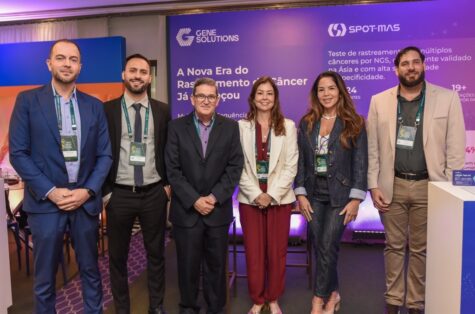
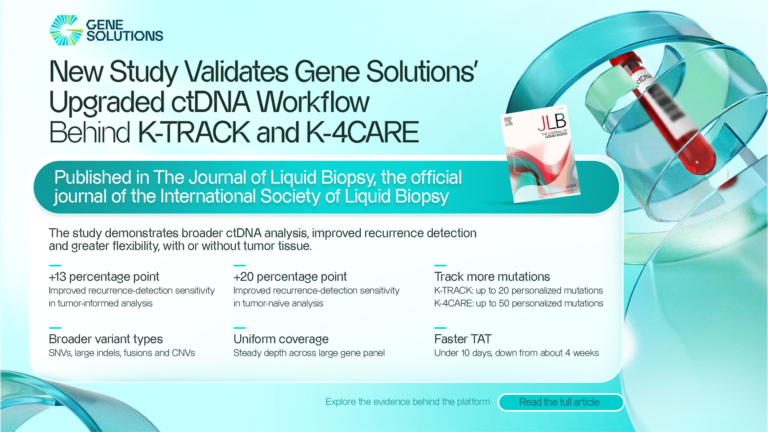
Take a closer look at how our AI-enhanced multi-omics solutions are advancing earlier cancer detection with SPOT-MAS, comprehensive genomic profiling and ctDNA-monitoring with K-TRACK and K-4CARE to optimize cancer care:
K-TRACK: https://genesolutions.com/our-test/k-track
K-4CARE: https://genesolutions.com/our-test/k-4care
SPOT-MAS: https://genesolutions.com/our-test/spot-mas